Balenciaga Shirt Prices Explained: What You’re Paying For
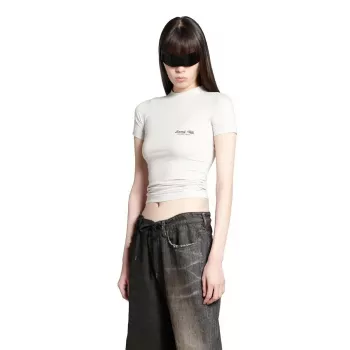
Why are Balenciaga shirts expensive?
Balenciaga shirts cost more than most tees because the price reflects a mix of brand prestige, design direction, materials, and the way luxury fashion is produced and distributed. You’re not only paying for fabric and stitching—you’re paying for a label with global status, a specific look, and a tightly controlled supply chain.
Luxury branding and heritage
Balenciaga is positioned as a top-tier luxury house, and that positioning carries built-in value. Decades of fashion credibility, celebrity visibility, and runway influence allow the brand to command higher prices than mass-market or mid-tier labels. In luxury, the name is part of the product.
Design, creative concept, and “signature” details
Many Balenciaga shirts aren’t meant to be basic essentials. Oversized silhouettes, deliberate distressing, bold graphics, seasonal themes, and recognizable branding are part of the creative package. That design identity is what many shoppers are buying—something that looks and feels distinctly Balenciaga.
Materials, construction, and finishing
While not every piece uses rare textiles, luxury shirts often feature heavier-weight cotton, specialized washes, higher-end trims, and more complex finishing steps. Even small upgrades—like the hand feel of the knit, the drape, or the durability of prints—can raise production costs compared to fast-fashion blanks.
Lower production volume and higher overhead
Luxury brands typically produce fewer units per style than mainstream retailers. Smaller runs can increase the per-unit cost, especially when quality control is strict. Add in skilled labor, pattern development, sampling, and compliance standards, and the expense grows quickly.
Retail experience and distribution control
Balenciaga sells through flagship stores, high-end department stores, and tightly selected partners. Premium retail locations, staff training, returns handling, authentication, and brand protection all add overhead that gets built into pricing.
For a deeper breakdown of what drives the cost—including how pricing compares across luxury streetwear—visit this full guide on why Balenciaga shirts are expensive.
FAQ
Is Balenciaga worth the price compared to other designer brands?
It depends on what matters most: brand status, resale value, and signature design can justify the cost for some shoppers, while others may prefer designers with more understated branding or different fabric priorities.






Leave a comment