Burberry Check Pattern History: From Lining to Icon
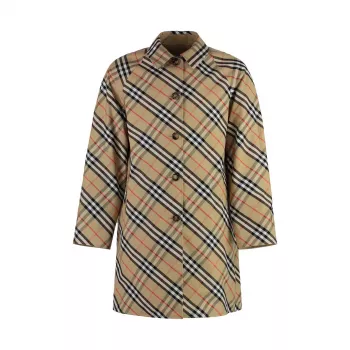
What is the history of the Burberry check pattern?
Burberry’s iconic check—also known as the “Nova check”—traces back to the brand’s early focus on practical luxury. While Burberry was founded in 1856 by Thomas Burberry and became famous for weather-ready outerwear, the check itself rose to prominence much later as a distinctive lining pattern.
In the 1920s, Burberry introduced a beige check design with black, white, and red stripes, originally used as a lining for trench coats and other outerwear. It wasn’t initially meant to be a loud exterior statement; it functioned as a recognizable, refined interior detail that signaled heritage and craftsmanship to those who knew what to look for.
Over time, the check moved from lining to the outside of products and expanded across scarves, bags, hats, and accessories. As Burberry’s global visibility increased, the pattern became a shorthand for British style—classic, tailored, and instantly identifiable. That popularity also made it widely copied, pushing the brand to tighten control over how the motif appeared and where it was used.
In the modern era, Burberry has periodically reinterpreted the check—sometimes emphasizing it as a bold brand signature, other times dialing it back to let other design elements lead. Despite shifts in fashion trends, the check remains one of the most recognized luxury patterns in the world, tied closely to the trench coat legacy that helped define Burberry’s reputation.
For a deeper dive into key milestones and how the motif evolved, visit the main article on the history of the Burberry check pattern.
For Burberry Check Pattern History: From Lining to Icon, the best answer depends on fit, material, care instructions, and how the product will be used day to day.
Checking those details first helps avoid a poor match and keeps the choice practical after delivery.
FAQ
How can you tell if a Burberry check item is authentic?
Look for consistent pattern alignment at seams, high-quality materials, and clean, precise stitching. Authentic pieces also include correct branding details (tags, font, and country-of-origin marks) that match the product era and style.







Leave a comment