Virgin Wool Downsides: Itch, Care, Cost & Ethics
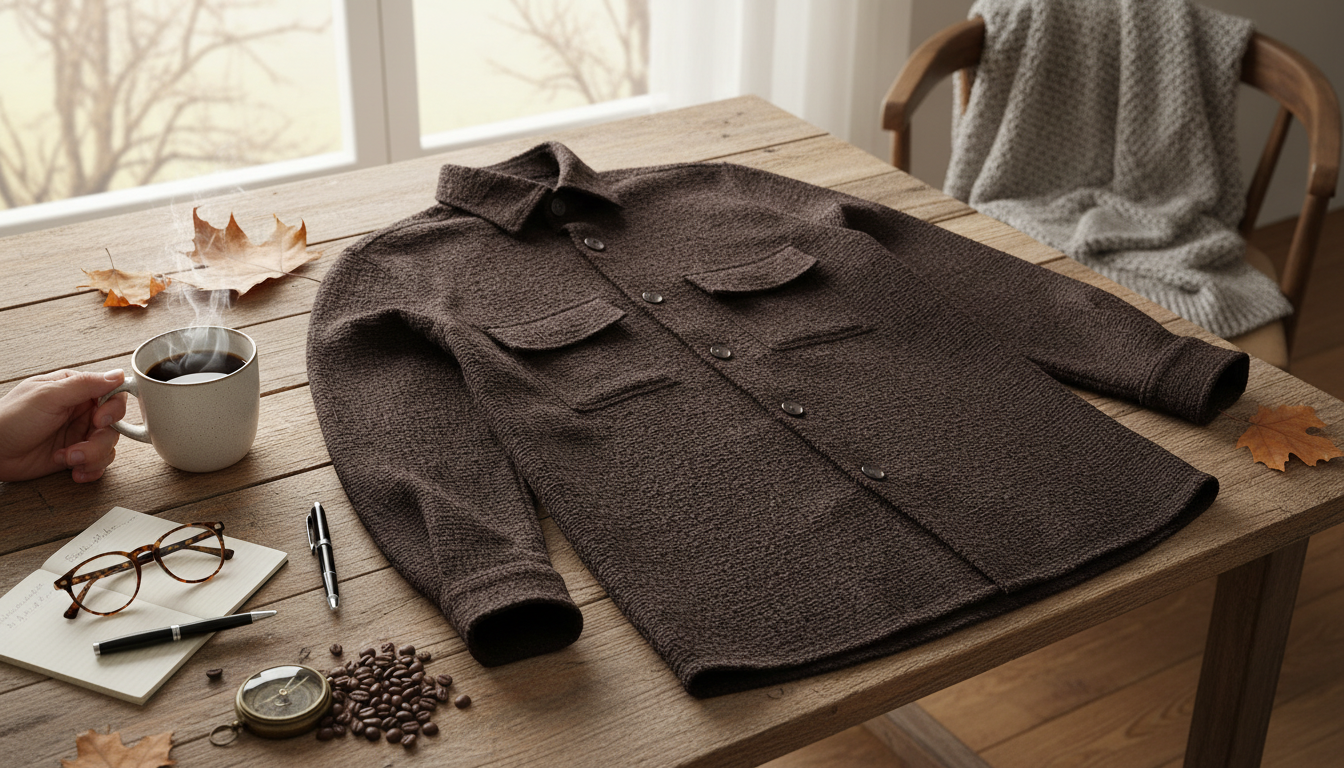
What are the disadvantages of virgin wool?
Virgin wool (also called new wool) is prized for warmth, resilience, and a naturally lofty feel, but it isn’t the perfect fit for every wardrobe, climate, or budget. Its drawbacks tend to show up around comfort, care, cost, and ethics—especially when compared with recycled wool or certain synthetics.
Sensitivity and itch factor
One of the most common complaints is skin irritation. Coarser fibers and higher micron counts can feel scratchy, and some people are sensitive to lanolin (the natural wool wax) or residual processing chemicals. Even when a garment is “soft,” necklines and cuffs can still bother sensitive skin.
Care requirements and shrink risk
Virgin wool often needs gentler laundering than everyday cottons. Heat, agitation, and sudden temperature changes can cause felting and shrinkage, and some pieces are best dry-cleaned. That extra care can be inconvenient and may add ongoing cost.
Pilling and surface wear
Depending on yarn twist and knit structure, virgin wool can pill—especially in high-friction areas like underarms, elbows, and along bag straps. Pilling doesn’t always mean poor quality, but it can make a newer item look worn sooner unless it’s maintained with careful depilling.
Cost and value trade-offs
Because it’s sourced from a fresh clip and often graded for quality, virgin wool typically costs more than recycled wool blends. If durability, price, or low-maintenance care is the priority, the premium may not feel worth it.
Heat retention in mild weather
Wool regulates temperature well, but heavier virgin wool can still feel too warm indoors or in transitional seasons. Without careful weight selection (e.g., lightweight merino versus thick knit), it may be less versatile across climates.
Animal welfare and sustainability concerns
Some shoppers avoid virgin wool due to concerns about animal treatment (such as mulesing in certain regions) and the environmental footprint of raising sheep. Certifications and traceability can help, but they’re not universal.
For a deeper breakdown and practical tips, visit https://majorcollectionspot.shop/what-are-the-disadvantages-of-virgin-wool/.
FAQ
Is virgin wool warmer than merino wool?
Warmth depends more on fiber diameter, fabric weight, and knit/weave than the “virgin” label. Many merino garments are virgin wool, but lightweight merino can feel less warm than a heavier, coarser virgin wool knit.






Leave a comment